




Financial News
For the sandwich generation: Finding help caring for a parent with Alzheimer's or Parkinson's
(BPT) - Key takeaways:
- Members of the sandwich generation are often challenged with the cost and concerns of caring for two generations at the same time.
- Caring for someone with Alzheimer's disease or Parkinson's can bring stress, but caregiving also brings joy and connection with loved ones.
- Family caregivers need help from professional caregivers to understand the neurodegeneration and progressive nature of Alzheimer's, Parkinson's and other diseases, and to help prevent burnout.
- Comfort Keepers provides professional in-home caregiver services so adult daughters or sons have a trusted partner for family respite, allowing them to spend more quality time and make joyful memories with their parent.
By Sherri Snelling, gerontologist and Comfort Keepers spokesperson
Caregivers from the sandwich generation perform a delicate balancing act: simultaneously caring for children and older parents, along with other obligations such as work. While stretching your time, energy and emotional resources thin, you have little "me time" for self-care. The good news is, although caregiving can be disruptive, it is also one of the most powerful expressions of love. The key is finding ways to connect joyfully with aging parents, and being proactive in getting help so you can enjoy your time together.
In the 2026 National Day of Joy survey conducted by Talker Research on behalf of Comfort Keepers, 93% of aging adults say being cared for by an adult son or daughter has brought them closer together, and 96% of caregivers in the sandwich generation say family comes first. The strength of these familial bonds is clear, but that does not mean you do not need support as you try to meet the needs of your children, your parents and yourself.
These pressures become even more intense and complex when a parent is living with progressive, degenerative conditions like Alzheimer's disease or Parkinson's disease. Studies have found the intensity of dementia caregiving creates more stress, anxiety and depression. These caregivers also spend twice as long in their caregiving role: According to the Alzheimer's Association, dementia caregiving is an average of 9 years versus 4.5 years for other types of family caregiving, making it a marathon, not a sprint. During this marathon, professional help can support your physical and mental energy.
How to support your well-being while caring for an aging parent
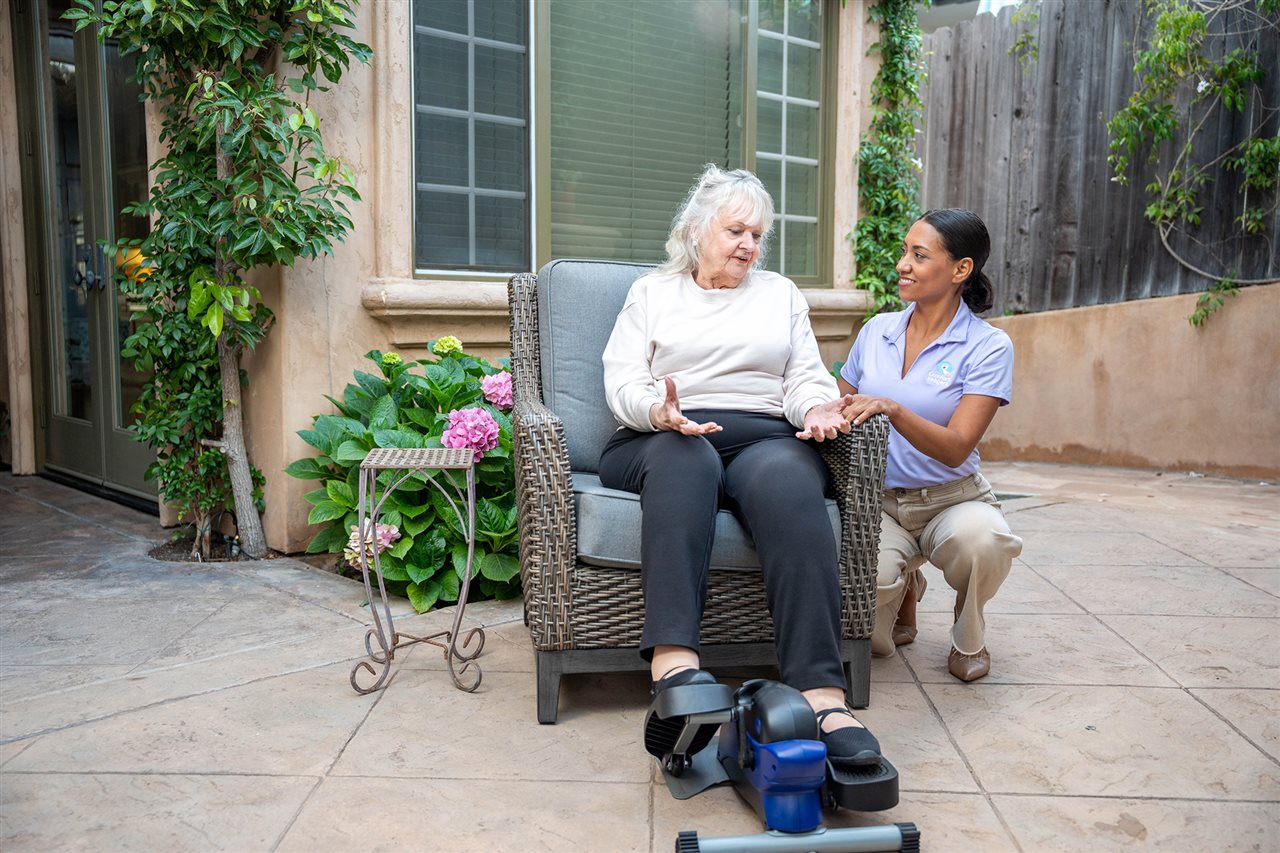
Caring for yourself is one of the biggest challenges for family caregivers. The additional time needed to care for someone with dementia or a neurodegenerative disease like Alzheimer's or Parkinson's while maintaining work-life balance and raising children is very challenging. The sandwich generation dementia caregiver often ends up sacrificing their own social, emotional or physical health. In addition, the stigma of diseases affecting the brain can lead you to avoid social interactions and conversations, making you feel more alone.
This isolation means many adult children carry the caregiving burden alone, feeling they cannot or should not ask for help. Dementia care can largely involve physical and administrative tasks like tracking medical appointments, medication reminders and administration, managing insurance paperwork, home safety, getting groceries and prepping meals. Small moments of joy that really matter get lost: things like enjoying a meal together, looking at old photos or sharing interests like music, nature or crafts that create quality of life for the older parent and the adult daughter or son.

The key is finding ways to connect joyfully with aging parents, and being proactive in getting help so you can enjoy your time together.
To help sandwich generation caregivers focus on what matters most, here are common myths around caregiving, and approaches that help families thrive.
Myth 1: If Mom or Dad is safe, everything is OK.
Reality: Quality of life matters. Caregiving is not just about physical tasks and safety, doctor appointments, fall prevention and personal care. Social and emotional health are equally important. Companionship, favorite routines and activities, conversation and sharing moments of joy help an older adult and the family caregiver feel connected and engaged.
Myth 2: I should be able to handle this alone.
Reality: Caregiver burnout is real, and creating your care team is critical. Many adult children assume care responsibilities gradually, until they are spending 20-40 hours a week on care tasks. This can lead to burnout and negatively impact your relationship with your parent. Professional caregivers, such as the in-home care specialists at Comfort Keepers, can become a part of your family's care team before a crisis happens. Professional help lets you take breaks to recharge and practice needed self-care, so you can be more focused on the emotional needs of your loved one.
Myth 3: I will get help when I really need it.
Reality: Waiting too long can lead to a crisis, but getting help before your parent's care reaches a crisis can make the caregiving journey easier for everyone. Progressive conditions such as Alzheimer's disease and Parkinson's can affect memory, communication, mobility, mood, personality, daily routines and activities including eating, getting dressed and bathing. Planning ahead gives families time for necessary conversations about long-term care, and to find the right professional caregiver, establish familiar routines and create a care plan that can evolve along with their parent's needs and family finances.
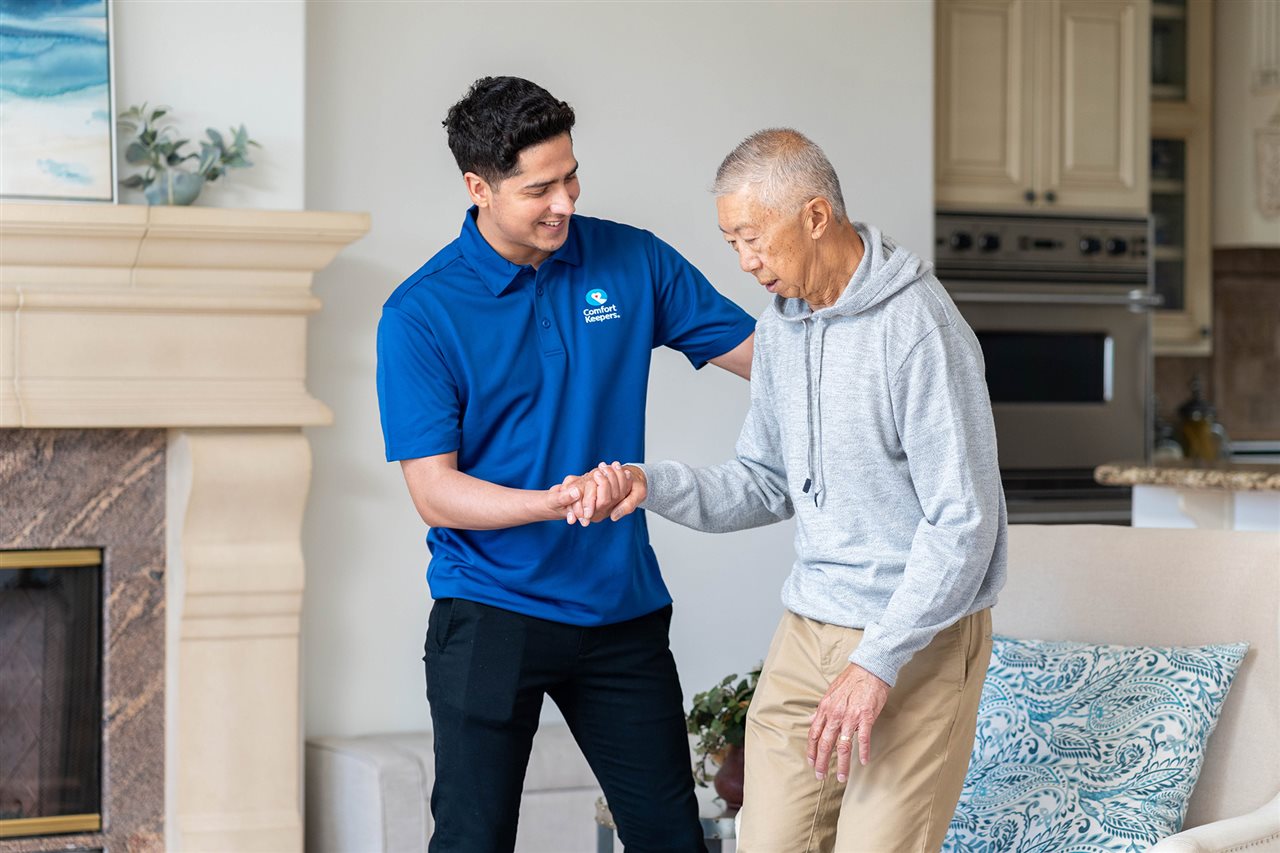
Myth 4: All visits must be productive.
Reality: Professional caregiving takes some everyday responsibilities off your shoulders, so time with your parent is not consumed by errands, household tasks and caregiving duties. By being "present," you enhance the emotional health of your parent and yourself. Sometimes the most important thing is simply being your parent's son or daughter.
How can I maintain my relationship with my aging parent?
Caring for a parent with dementia, Alzheimer's and Parkinson's is emotionally difficult for family caregivers. Alzheimer's adults may forget your name or who you are, and they may become combative and physically lash out. Someone with Parkinson's may have frightening hallucinations and nightmares. All of this occurs in addition to declining physical and cognitive abilities.
The Comfort Keepers survey reveals that daily joy for aging adults is rooted in the connection found during everyday life moments: sitting outside, enjoying morning coffee or engaging in meaningful hobbies such as reading, gardening, crafts and music. These moments foster consistency, independence and a sense of purpose. They also give family caregivers moments of calm in the midst of chaos.
For someone living with Alzheimer's or Parkinson's, these activities may need to be adapted as their condition progresses. A familiar song from their past, simplified gardening activity, short walk or time spent looking through family photographs can offer connection and comfort. The goal is not necessarily doing things exactly as before, but to find meaningful ways to meet the person where they are now.
For adult children, joy is found in everyday connection with aging parents. In the survey, nearly 3 in 4 (72%) say simple conversations bring the most joy, followed by sharing meals (68%) and helping provide care for them (67%). A whopping 95% of adult children agree older adults play an important role in creating joy within their families.
Where to begin finding a caregiver
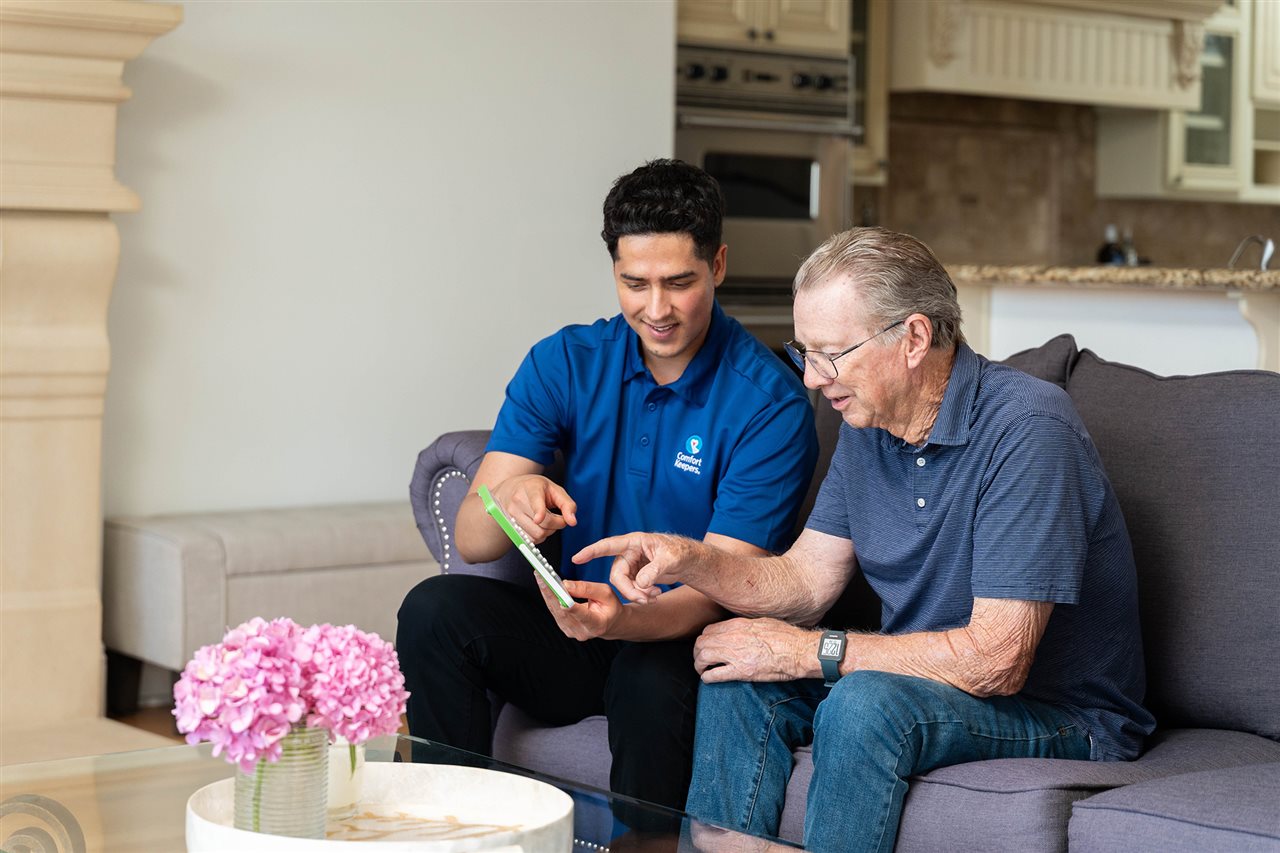
Comfort Keepers understands the challenges families face when caring for a loved one with Alzheimer's disease or Parkinson's, particularly as their needs change. Specially trained caregivers can help them continue living safely and meaningfully at home through personalized care, familiar routines, companionship and activities tailored to their interests and abilities. Comfort Keepers can also educate families about their changing needs and provide support that engages them physically, mentally and emotionally.
Comfort Keepers provides in-home services including:
- Personal care
- Companionship
- Medication reminders
- Family respite care
- Comfort360™: A Complete Circle of Care
There is no need to choose between being a good parent, partner, employee and caregiver as you juggle roles. Professional caregiving help from Comfort Keepers means better quality of life for your parent and for yourself, helping you remain your parent's daughter or son first.
Visit ComfortKeepers.com to learn more.
If you believe this article contains misleading, harmful, or spam content, please let us know.
Report this articleMore News
View More




Recent Quotes
View MoreQuotes delayed at least 20 minutes.
By accessing this page, you agree to the Privacy Policy and Terms Of Service.