




Financial News
Credit Score: Defining the Term With MoneyFAQ’s Case Studies
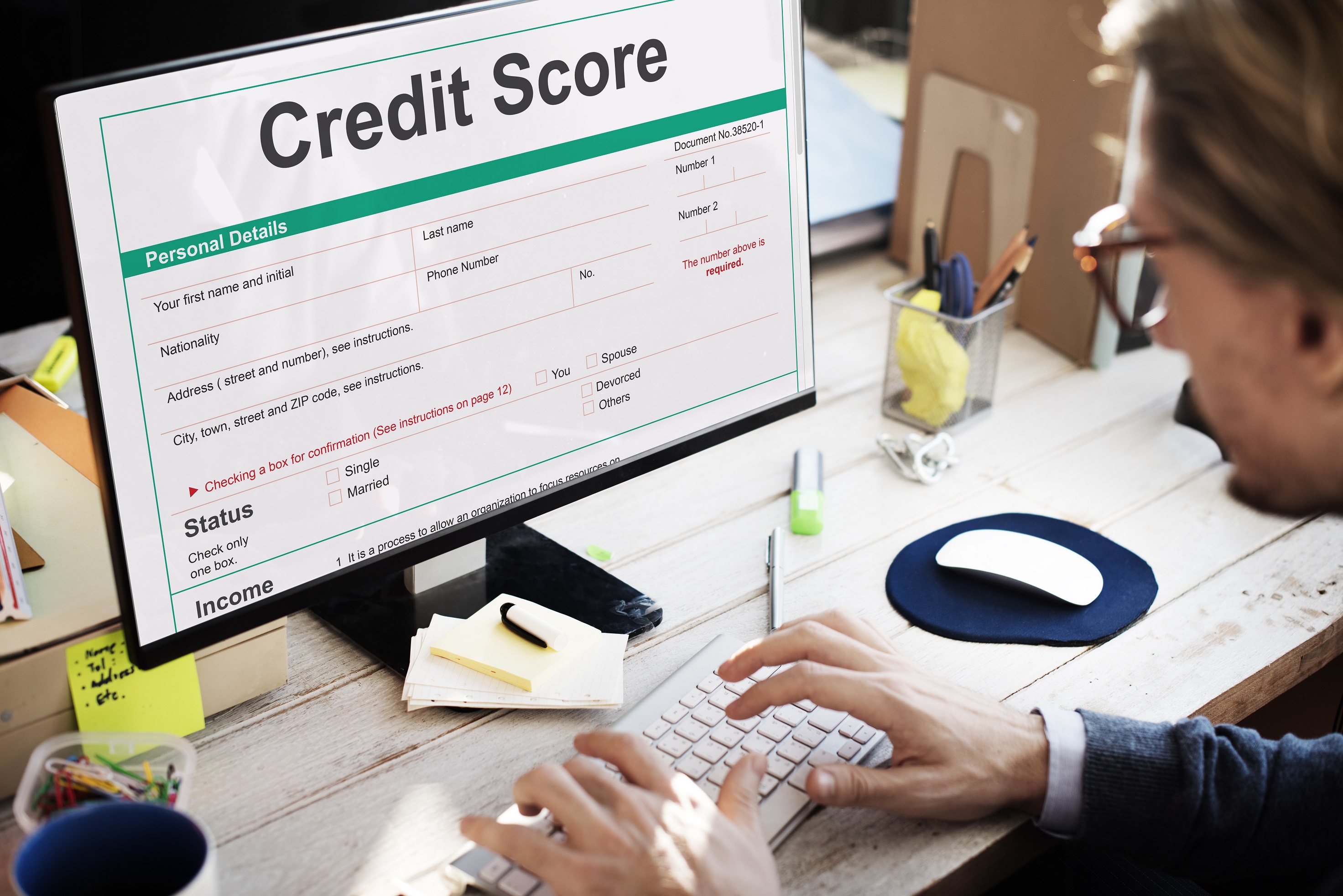
A credit score is more than just a number attached to someone's financial history. It can influence whether a person qualifies for a loan, the interest rate a lender offers, and sometimes even access to rental housing or other financial services. Yet many consumers are unsure which financial decisions actually influence this number and which have little impact. Understanding what affects your credit score is an important first step toward building a stronger financial profile and making more informed borrowing decisions.
What Does a Credit Score Actually Represent?
A credit score is a numerical assessment of a consumer's creditworthiness, calculated using information contained in their credit history. Lenders use these scores, alongside other application details, to estimate the likelihood that a borrower will repay financial obligations as agreed.
Different scoring models use different calculation methods, so consumers may have several scores depending on the reporting agency and model being used. However, most widely used systems examine similar categories of information.
These commonly include payment history, outstanding debt, credit utilization, the length of credit history, and recent applications for new credit.
A credit score should not be confused with income or personal savings. Someone can earn a high salary and still have a limited or problematic credit history. Likewise, a person with a modest income may maintain a strong credit profile through responsible account management.
Why Payment History Matters
Payment history is one of the most important components of many credit-scoring models. It reflects whether borrowers have met their financial obligations on time and how accounts have been managed.
Even a single missed payment can create difficulties, particularly when an account becomes significantly overdue. Repeated late payments may have a more substantial effect and can remain visible on credit reports for several years.
Consider two hypothetical consumers with similar incomes and outstanding balances. One consistently pays credit card bills and loan installments by their due dates. The other frequently misses payments or allows accounts to become delinquent.
Although their financial circumstances may appear similar, their credit histories provide lenders with very different indications of repayment reliability.
Setting automatic payment reminders, maintaining sufficient funds for scheduled obligations, and contacting lenders early when financial difficulties arise can help prevent avoidable payment problems.
Outstanding Balances and Credit Utilization
Another important consideration is how much revolving credit a consumer uses compared with their available limits.
For example, someone with a $10,000 credit card limit and a $2,000 outstanding balance has a utilization ratio of 20%. If the balance rises to $8,000, utilization increases to 80%.
High utilization can negatively affect many credit scores, even when the borrower makes minimum payments on time.
Consumers who want to understand how to improve credit score should therefore consider reducing outstanding revolving balances rather than focusing exclusively on opening additional accounts.
Paying down existing balances can improve utilization without requiring a new credit application. It is also important to remember that credit card issuers may report balances at different points in the billing cycle, meaning the reported amount may not always match the balance shown when a consumer checks their account.
Practical Habits That Can Strengthen a Credit Profile
There is no universal shortcut for improving creditworthiness. Instead, progress generally comes from combining several responsible financial habits.
For someone wondering how to raise your credit score, useful starting points include:
- Paying all credit obligations on time.
- Keeping credit card balances relatively low.
- Avoiding unnecessary applications for new credit.
- Maintaining older accounts when they remain useful and affordable.
- Reviewing credit reports for inaccurate or unfamiliar information.
These steps may not produce immediate changes, since scoring models depend on the information reported by lenders and the timing of account updates.
It is also worth avoiding unnecessary borrowing simply to generate account activity. Opening multiple accounts without a clear financial purpose can create additional obligations and potentially affect credit scores through new inquiries and account changes.
Why Reviewing Credit Reports Is Essential
A credit score is only as reliable as the information used to calculate it. Incorrect account balances, outdated personal details, duplicate entries, and accounts that do not belong to the consumer can create unnecessary complications.
Consumers who need to understand how to fix errors on credit report should begin by obtaining their reports and identifying the specific information that appears inaccurate.
Disputes should be supported with relevant documentation whenever possible. This may include account statements, payment confirmations, correspondence with creditors, or evidence that an unfamiliar account was opened without authorization.
Checking credit reports regularly also helps consumers identify suspicious activity early rather than discovering problems when applying for financing.
Understanding Credit as a Long-Term Financial Habit
A strong credit profile is usually built through consistent decisions rather than one major financial action. Paying bills on time, controlling borrowing, and reviewing account information can gradually create a more reliable financial history.
MoneyFAQ's educational resources and case-based explanations can help consumers understand how different financial behaviors influence creditworthiness and why certain habits matter more than others.
Rather than treating a credit score as a target that must be increased overnight, consumers should view it as one indicator of broader financial responsibility. Understanding the factors behind the number makes it easier to make informed decisions and maintain healthier borrowing habits over time.
If you believe this article contains misleading, harmful, or spam content, please let us know.
Report this article




Quotes delayed at least 20 minutes.
By accessing this page, you agree to the Privacy Policy and Terms Of Service.